AnswerLab (Agency) :: Confidential Fortune 100 Technology Company (Client)
The Challenge
The client, a Confidential Fortune 100 Technology Company, partnered with AnswerLab and noodle to optimize their digital advertising formats. They needed to holistically understand how users interacted with and perceived various desktop advertisement concepts before launching them to a wider audience. The core challenge was to rigorously assess user impressions, evaluate their specific information needs, and determine the overall helpfulness of the proposed advertising designs. Without this critical user feedback, the client risked deploying ads that were visually overwhelming or ineffective at communicating the desired message to travelers. They required clear, actionable guidance on which design elements resonated most positively with their target demographic of people planning upcoming trips.
The qualitative testing yielded concrete results, showing that participants overwhelmingly preferred advertisement concepts that were easy to read and featured clear visual separation of elements. Users strongly indicated that ads providing comprehensive information without becoming visually overwhelming or cluttered were the most helpful. The specific version that rated the highest overall successfully struck this delicate balance, delivering necessary details in a highly digestible format. Armed with these clear user preferences, the client was able to confidently select and refine the optimal ad design. Ultimately, these insights ensured the final advertising rollout would be both engaging and highly effective for their target audience of travelers.
The Approach
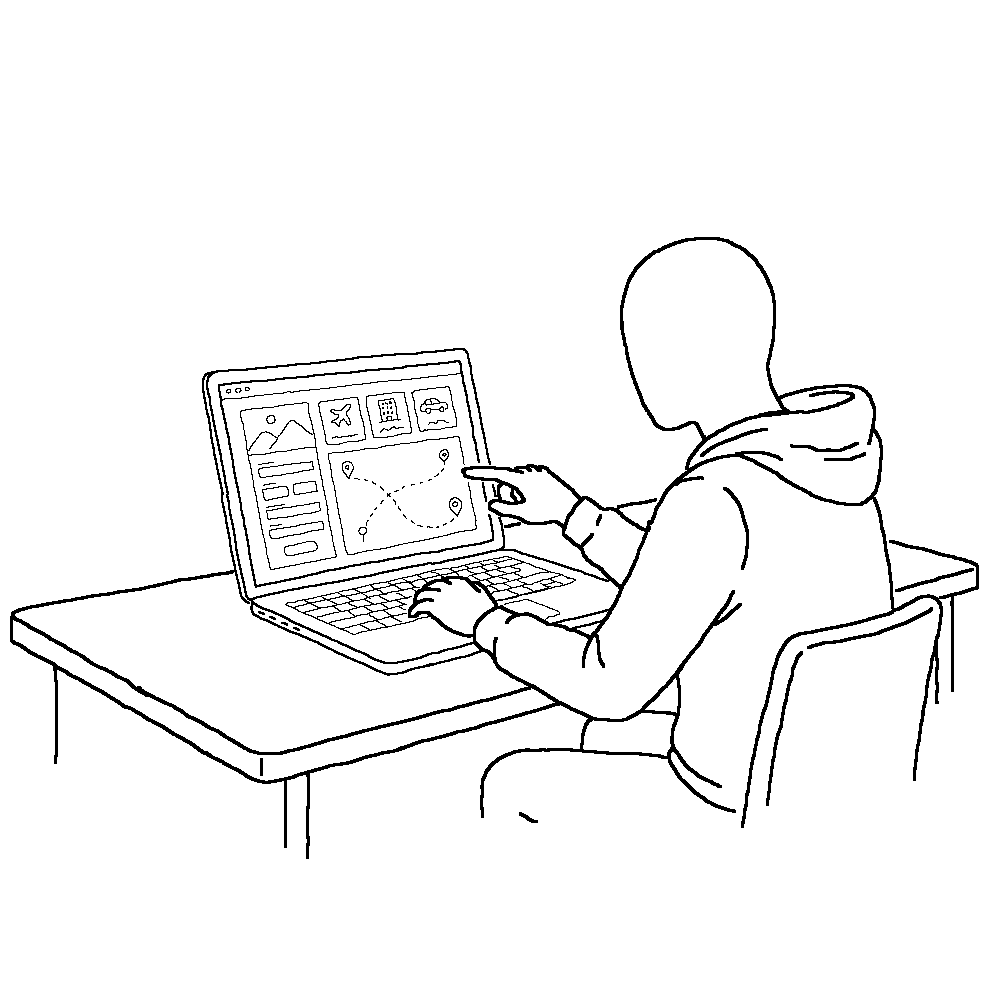
To gather this feedback, we structured a qualitative concept test focused specifically on users who were actively planning an upcoming trip. The research methodology relied on conducting detailed, one-on-one moderated interviews with participants sourced from both the United States and the United Kingdom to capture a diverse, international perspective. During these in-depth sessions, we presented the participants with multiple distinct concepts for desktop advertisement formats. We recorded their real-time reactions, probing into their visual preferences, comprehension of the ad content, and their assessment of the layout's utility. This targeted approach allowed us to directly compare the efficacy of different design choices based on authentic user needs and expectations.
The Outcome